Intentional Leader

  • Home
  • Podcast
  • Course
  • Newsletters
  • Articles
  • About
  • Patreon
  • Contact

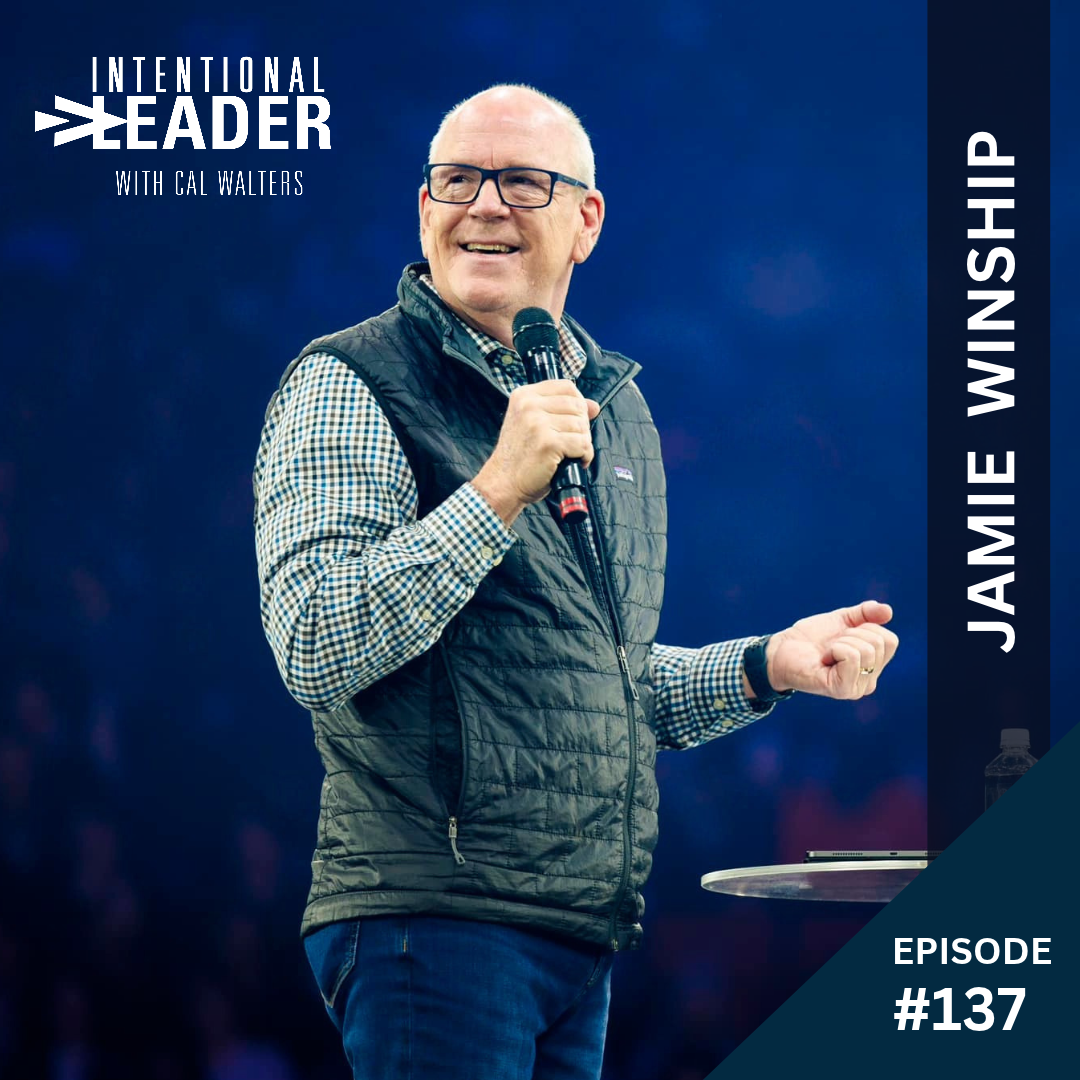
137: Jamie Winship — How Great Leaders Handle Fear, Conflict, and Difficult Conversations

May 07, 2026 by Cal Walters

The views expressed on this podcast and page are those of the host and guests and do not necessarily reflect the official policy, position, or endorsement of the US Army, DoD, or the US Government.


Listen on Apple Podcasts Listen on Spotify

In this conversation, Jamie Winship talks about fear, identity, conflict, and what it means to lead from love instead of self-protection. He shares his own fear of being a disappointment, how leaders cover insecurity with self-protection and self-promotion, and why truth-telling is one of the most useful tools for getting through fear and conflict. The discussion also covers how anger is often connected to fear, why leaders have to do their own inner work first, and habits for staying grounded under pressure. Jamie is a Christian, and this conversation includes faith, prayer, and Scripture; it still has something useful to say about being human and telling the truth, whether or not you share that background.

Jamie Winship is a conflict mediator, speaker, and the author of Living Fearless and The War of Worldviews. After a career in law enforcement in the metro Washington, D.C. area, he developed a process he calls the Identity Method, and his work has taken him to places including Indonesia, Jordan, Iraq, Palestine, and Israel. He and his wife, Donna, are co-founders of Identity Exchange, which trains individuals and teams in identity, creativity, and resilience.

In this episode we cover:

  • Jamie’s core fear of being a disappointment, and how fear shows up in leadership—including a hard decision to take his family to Iraq
  • Why fear is valuable information but should not make the decision, and why only truth can remove a lie
  • How unprocessed fear leads to self-protection and self-promotion, and why you shouldn’t get your identity from the room
  • Why every decision comes from fear or love, and Jamie’s definition of love—including “serve and protect” versus “enforce and control”
  • Why conflict is usually rooted in fear, and why anger often has fear underneath it
  • How identity changes conflict resolution, and why leaders have to model the freedom they want to create in others
  • How two people in conflict can tell the truth without weaponizing vulnerability—the difference between truth-telling and vulnerability
  • Habits for staying calm under pressure, including “keep your brain in your own car,” and how looking at the future can help you deal with fear

Learn more about Jamie: identityexchange.com

The Intentional Leader Lab is a small, application-based community I host for leaders who want to grow on purpose, alongside people doing the same. Inside, we meet live for Friday Lab Coffees, monthly Roundtables, and group coaching sessions. Each week there's an invitation to reflect and share, and we read books together, so we help each other actually follow through. We're growing it slowly and carefully, because the people in the room are the whole point.

If that sounds like you, apply to join the Lab.

May 07, 2026 /Cal Walters
Comment

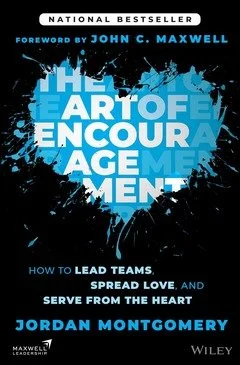
136: Jordan Montgomery — Why Even High Performers Need Encouragement (and How to Lead with It)

April 23, 2026 by Cal Walters

The views expressed on this podcast and page are those of the host and guests and do not necessarily reflect the official policy, position, or endorsement of the US Army, DoD, or the US Government.

Listen on Apple Podcasts Listen on Spotify

In this conversation, Jordan Montgomery talks about why encouragement isn’t just “nice”—it’s essential, even for high performers. He explains what elite performers have in common (they all have coaches), why the more you grow the more help you need, and how to lead yourself when your mindset is off. The discussion also covers two questions he uses with leaders, a hard season in his own story, and how to offer encouragement that is specific rather than generic.

Jordan Montgomery is a USA Today bestselling author, performance coach, and keynote speaker, and the author of The Art of Encouragement. Together with his wife, Ashley, he leads Montgomery Companies, which works with business leaders and teams, including at Fortune 500 companies. He also hosts the Growth Over Goals podcast. Jordan and Ashley live in Iowa with their four children.

In this episode we cover:

  • Why even high performers and people with real success still need encouragement
  • What elite performers have in common: they all have coaches, and the paradox that the more you learn, the more help you need
  • Two questions Jordan uses when he coaches leaders: “What do you want?” and “Who are you really?”
  • Why most leaders struggle with self-awareness, and the connection between identity, calling, and becoming an encourager
  • Jordan’s failure story of losing his career at 27, and the reframe “You’re not buried, you’re planted”
  • The power of self-encouragement, and how to rewire your thinking by speaking to yourself instead of only listening to yourself
  • What practical self-talk actually looks like day to day
  • The art of authentic encouragement, and why specific encouragement is more powerful than generic praise

Learn more about Jordan: montgomerycompanies.com

The Intentional Leader Lab is a small, application-based community I host for leaders who want to grow on purpose, alongside people doing the same. Inside, we meet live for Friday Lab Coffees, monthly Roundtables, and group coaching sessions. Each week there's an invitation to reflect and share, and we read books together, so we help each other actually follow through. We're growing it slowly and carefully, because the people in the room are the whole point.

If that sounds like you, apply to join the Lab.
April 23, 2026 /Cal Walters
Comment

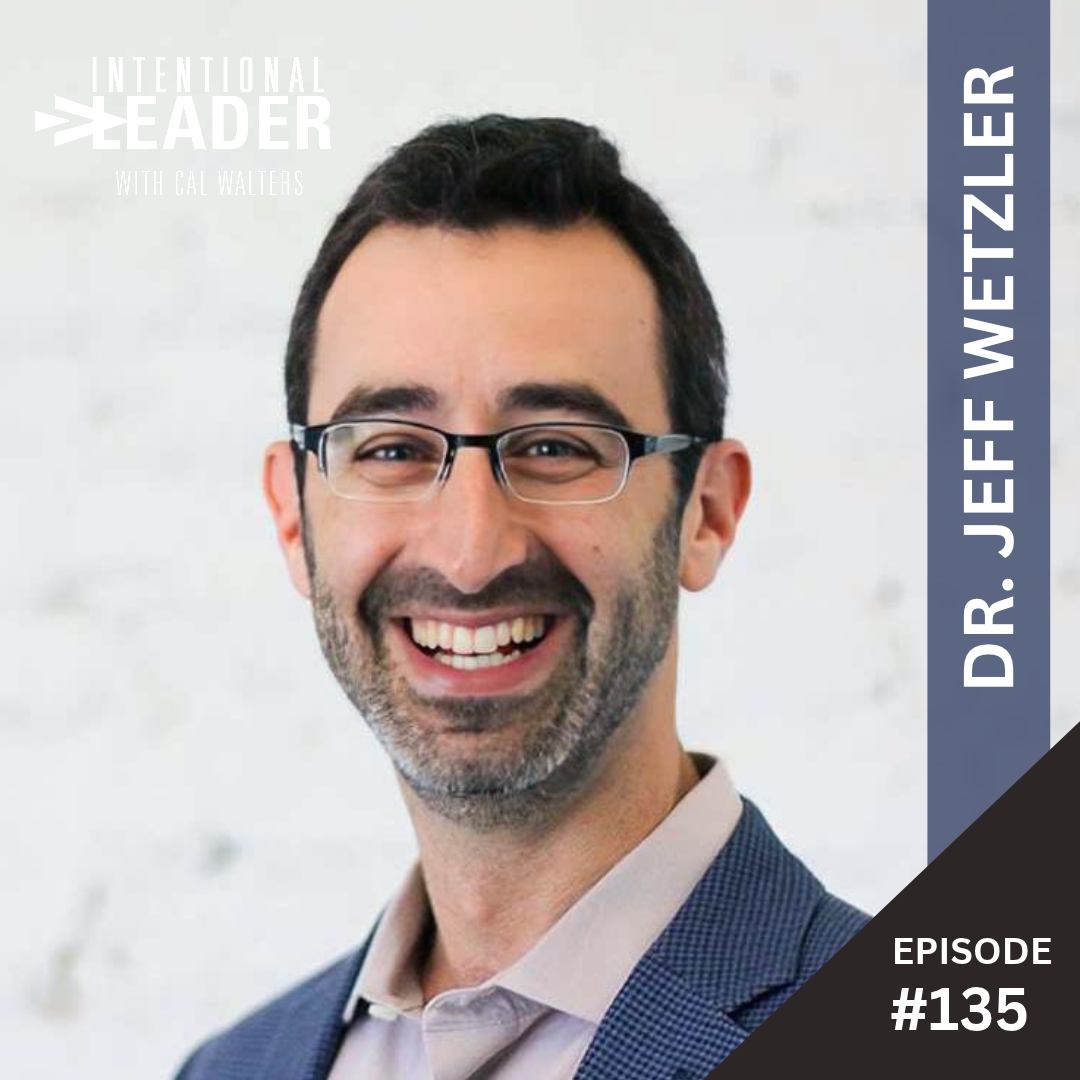
135: Dr. Jeff Wetzler — Why People Don't Tell You the Truth (and the Questions That Change Everything)

March 05, 2026 by Cal Walters

The views expressed on this podcast and page are those of the host and guests and do not necessarily reflect the official policy, position, or endorsement of the US Army, DoD, or the US Government.

Listen on Apple Podcasts Listen on Spotify

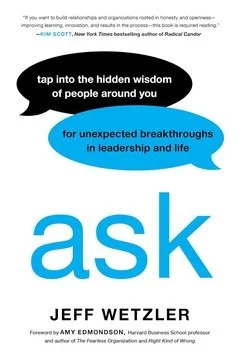
In this conversation, Dr. Jeff Wetzler talks about a leadership blind spot: the important information your team has but isn’t telling you. He explains the “left-hand column”—what people think and feel but don’t say—the four reasons honesty gets filtered, and why curiosity alone isn’t enough without psychological safety. The discussion also covers the ASK Approach, better questions for feedback and performance reviews, and how to close the loop when you receive hard truth you may not follow.

Dr. Jeff Wetzler is a learning and leadership expert, keynote speaker, and the author of Ask. He is co-founder of Transcend, an organization that helps communities design better learning environments, and previously served as Chief Learning Officer at Teach For America. Ask introduces the Ask Approach, a practical method for choosing curiosity, making it safer for people to tell you hard things, posing better questions, and turning what you hear into action. He also co-authored Extraordinary Learning for All.

In this episode we cover:

  • The hidden information problem, and Chris Argyris’s “left-hand column” tool for what people think and feel but don’t say
  • Four reasons people don’t tell you the truth, and why smart, successful leaders can struggle to learn
  • Jeff’s near miss: one question that revealed the truth
  • Why curiosity alone isn’t enough without psychological safety, and why your reaction is the biggest predictor of whether people will be honest with you again
  • A simple response to hard feedback: “That’s hard to hear—and I’m really glad you told me.”
  • The ASK Approach, starting with choosing curiosity—including curiosity killers and the line “When you’re furious, get curious”
  • The difference between quality questions and crummy questions, including better prompts for feedback and performance reviews (and why “Do you have feedback for me?” often falls short)
  • How to handle feedback you won’t follow: sift it, turn it, and close the loop

Learn more about Jeff: jeffwetzler.com

The Intentional Leader Lab is a small, application-based community I host for leaders who want to grow on purpose, alongside people doing the same. Inside, we meet live for Friday Lab Coffees, monthly Roundtables, and group coaching sessions. Each week there's an invitation to reflect and share, and we read books together, so we help each other actually follow through. We're growing it slowly and carefully, because the people in the room are the whole point.

If that sounds like you, apply to join the Lab.

March 05, 2026 /Cal Walters
Comment

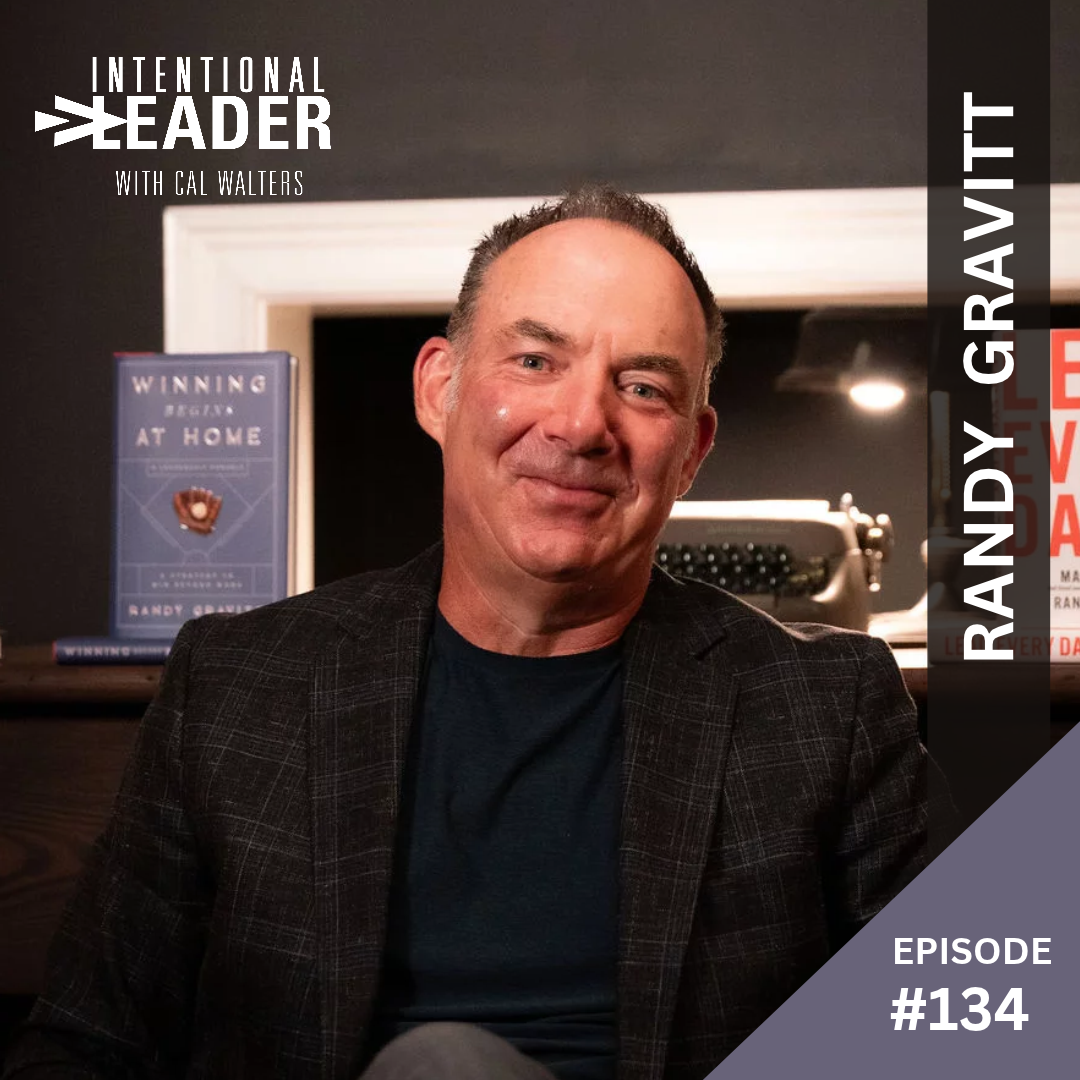
134: Randy Gravitt — Winning at Home Without Losing at Work, Leading With Presence, and Why Hope Is Not a Strategy

January 15, 2026 by Cal Walters

The views expressed on this podcast and page are those of the host and guests and do not necessarily reflect the official policy, position, or endorsement of the US Army, DoD, or the US Government.

Listen on Apple Podcasts Listen on Spotify

In this conversation, Randy Gravitt talks about how to pursue excellence at work without sacrificing what matters most at home. He names the gap many leaders live with—strategic at work, sporadic at home—and explains why proximity is not the same as intimacy. The discussion covers leaving work at work, training presence like a discipline, phone boundaries, winning the first hour of the day, and building a family by design rather than by default.

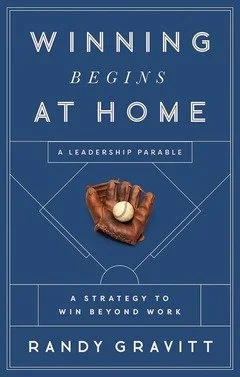
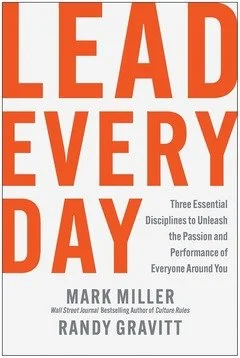
Randy Gravitt is the co-founder and CEO (Chief Encouragement Officer) of Lead Every Day, an executive coach, speaker, and the author of Winning Begins at Home. He coaches leaders inside organizations including the Buffalo Bills, the Pittsburgh Pirates, and Chick-fil-A. He started his career in education as a teacher and coach, later helped lead a large church in the Atlanta area, and in 2014 founded InteGREAT Leadership, which became Lead Every Day. He also co-authored Lead Every Day with Mark Miller. He and his wife, Laura, live in Sharpsburg, Georgia.

In this episode we cover:

  • Why many leaders are strategic at work and sporadic at home, and how family can quietly get diminished
  • Why being home is not the same as being present: proximity does not equal intimacy
  • The servant-leadership tension of living in the center—beginning with the end in mind, and accepting you will never finish all the work
  • How seasons turn into patterns, including Randy’s NFL Super Bowl story and the cost of not leaving work at work
  • Training presence like a discipline, including rituals and phone boundaries that actually work
  • Winning the first hour of the day, and why a healthier home life fuels performance at work
  • Choosing priorities on purpose: “What kind of family do you want?” and building a family by design, not by default
  • Marriage after the kids leave, “don’t go to bed angry,” and a simple practice: love first, and see a need, meet a need

Learn more about Randy: leadeveryday.com

The Intentional Leader Lab is a small, application-based community I host for leaders who want to grow on purpose, alongside people doing the same. Inside, we meet live for Friday Lab Coffees, monthly Roundtables, and group coaching sessions. Each week there's an invitation to reflect and share, and we read books together, so we help each other actually follow through. We're growing it slowly and carefully, because the people in the room are the whole point.

If that sounds like you, apply to join the Lab.
January 15, 2026 /Cal Walters
Comment

133: LTG(R) Milford Beagle "Beags" — A Three-Star General on True North, Resilience, Feedback, and How to Lead With Confidence Without Becoming Overconfident

December 03, 2025 by Cal Walters

The views expressed on this podcast and page are those of the host and guests and do not necessarily reflect the official policy, position, or endorsement of the US Army, DoD, or the US Government.

Listen on Apple Podcasts Listen on Spotify

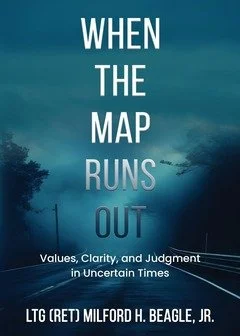
In this conversation, LTG(R) Milford Beagle (“Beags”) talks about what happens as leaders rise and start hearing less and less truth—what he calls the cone of silence—and how that can quietly pull them off true north. He traces his path from a new platoon leader at Fort Polk to commanding the U.S. Army Combined Arms Center, and explains the difference between maps (plans and frameworks) and the compass (values and judgment). The discussion also covers a one-page “How to Handle Me” document, how to invite real feedback, leading with clarity when you don’t have certainty, and simple habits for resilience.

LTG(R) Milford H. “Beags” Beagle Jr. is a retired U.S. Army lieutenant general, leadership advisor, and the author of When the Map Runs Out. Over more than 35 years, he led large organizations including the U.S. Army Combined Arms Center, the 10th Mountain Division, and the U.S. Army Training Center at Fort Jackson. A graduate of South Carolina State University, he also earned graduate degrees including one from the U.S. Army School of Advanced Military Studies and is pursuing a doctorate in Leadership Studies at Louisiana State University Shreveport.

In this episode we cover:

  • Why the higher you go, the more you’re at risk of a “cone of silence,” and how leaders lose true north from distortion, not incompetence
  • The difference between maps (plans, strategies, and frameworks) and the compass (your values and judgment)
  • Two disciplines of leadership: bearing (self-awareness) and calibration (inviting others to check your bearing)
  • A practical “How to Handle Me” one-pager that names quirks, tendencies, and how people can best work with you
  • How to train a team to give unvarnished feedback, even at senior levels—and why feedback still stings
  • Imposter syndrome, even in a role like commanding the Combined Arms Center, and how to work through it
  • How to provide clarity without certainty, including “signposts on the road” during organizational change
  • Simple habits for resilience: journaling, reframing failure, values like integrity and empathy, and “always quit tomorrow”

The Intentional Leader Lab is a small, application-based community I host for leaders who want to grow on purpose, alongside people doing the same. Inside, we meet live for Friday Lab Coffees, monthly Roundtables, and group coaching sessions. Each week there's an invitation to reflect and share, and we read books together, so we help each other actually follow through. We're growing it slowly and carefully, because the people in the room are the whole point.

If that sounds like you, apply to join the Lab.
December 03, 2025 /Cal Walters
Comment
  • Newer
  • Older