
137: Jamie Winship — How Great Leaders Handle Fear, Conflict, and Difficult Conversations
The views expressed on this podcast and page are those of the host and guests and do not necessarily reflect the official policy, position, or endorsement of the US Army, DoD, or the US Government.


In this conversation, Jamie Winship talks about fear, identity, conflict, and what it means to lead from love instead of self-protection. He shares his own fear of being a disappointment, how leaders cover insecurity with self-protection and self-promotion, and why truth-telling is one of the most useful tools for getting through fear and conflict. The discussion also covers how anger is often connected to fear, why leaders have to do their own inner work first, and habits for staying grounded under pressure. Jamie is a Christian, and this conversation includes faith, prayer, and Scripture; it still has something useful to say about being human and telling the truth, whether or not you share that background.
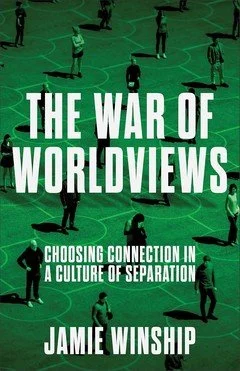
Jamie Winship is a conflict mediator, speaker, and the author of Living Fearless and The War of Worldviews. After a career in law enforcement in the metro Washington, D.C. area, he developed a process he calls the Identity Method, and his work has taken him to places including Indonesia, Jordan, Iraq, Palestine, and Israel. He and his wife, Donna, are co-founders of Identity Exchange, which trains individuals and teams in identity, creativity, and resilience.
In this episode we cover:
- Jamie’s core fear of being a disappointment, and how fear shows up in leadership—including a hard decision to take his family to Iraq
- Why fear is valuable information but should not make the decision, and why only truth can remove a lie
- How unprocessed fear leads to self-protection and self-promotion, and why you shouldn’t get your identity from the room
- Why every decision comes from fear or love, and Jamie’s definition of love—including “serve and protect” versus “enforce and control”
- Why conflict is usually rooted in fear, and why anger often has fear underneath it
- How identity changes conflict resolution, and why leaders have to model the freedom they want to create in others
- How two people in conflict can tell the truth without weaponizing vulnerability—the difference between truth-telling and vulnerability
- Habits for staying calm under pressure, including “keep your brain in your own car,” and how looking at the future can help you deal with fear
Learn more about Jamie: identityexchange.com


The Intentional Leader Lab is a small, application-based community I host for leaders who want to grow on purpose, alongside people doing the same. Inside, we meet live for Friday Lab Coffees, monthly Roundtables, and group coaching sessions. Each week there's an invitation to reflect and share, and we read books together, so we help each other actually follow through. We're growing it slowly and carefully, because the people in the room are the whole point.
If that sounds like you, apply to join the Lab.