Intentional Leader

  • Home
  • Podcast
  • Course
  • Newsletters
  • Articles
  • About
  • Patreon
  • Contact

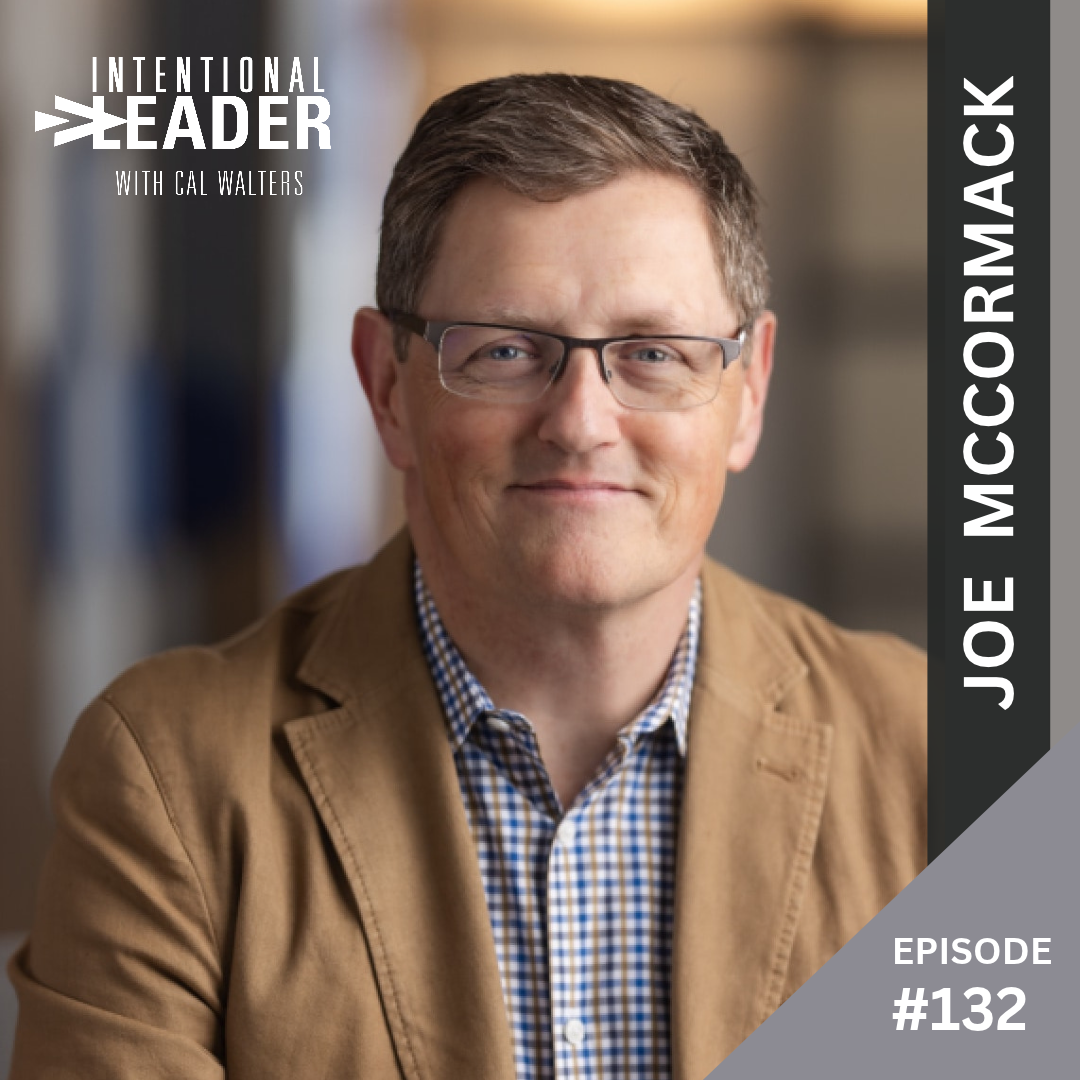
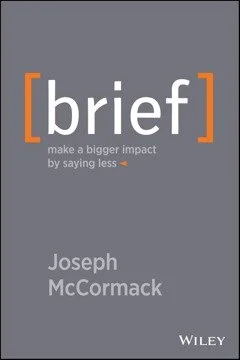
132: Joe McCormack — Special Operations Communication Expert Shares How to Say Less, Communicate With Clarity, and Lead With Quiet Confidence

November 26, 2025 by Cal Walters

The views expressed on this podcast and page are those of the host and guests and do not necessarily reflect the official policy, position, or endorsement of the US Army, DoD, or the US Government.


Listen on Apple Podcasts Listen on Spotify

In this conversation, Joe McCormack talks about how leaders can cut through noise, communicate with clarity, and actually move people to action. He describes brief and quiet as the “sword and shield” of effective communication, why being brief takes more preparation (not less), and how to use three levels of detail so you don’t overwhelm people. The discussion also covers building quiet into the workday, treating thinking time as part of the job, and practical ways to manage your phone—and to use AI—without losing the ability to sit still and think.

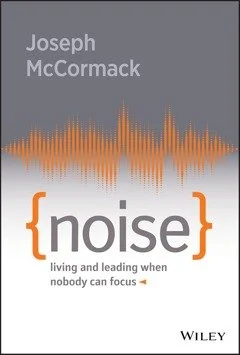
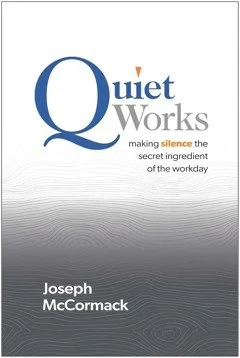
Joe McCormack is a speaker, entrepreneur, and author who helps leaders think clearly and communicate with precision in complex, high-stakes environments. He is the founder and CEO of Sheffield Company and its flagship brands, The BRIEF Lab and The Quiet Workplace, and has trained leaders in Fortune 500 companies, elite military units, and government agencies. He is the author of Brief, Noise, and Quiet Works, and the host of the Just Saying podcast.

In this episode we cover:

  • Why noise—constant distractions, disruptions, and devices—is the real villain in a leadership story, and how it erodes the ability to think and communicate
  • The “sword and shield” of effective communication: brief (cut through clutter) and quiet (protect your attention so you can prepare)
  • Why being brief requires more preparation, not less, and why people overtalk (insecurity, lack of preparation, ego, and a poor read of attention spans)
  • The three levels of detail—headline, support, and full detail—and why most leadership moments only need the first two
  • Why clarity is like comedy: sequence and timing matter, and if it takes too long to get to the punchline, you lose people
  • Treating quiet as an appointment on the calendar, not a “snow day,” including 15-minute blocks tied to upcoming or recent communication
  • Using small pockets of quiet before and after meetings, including two minutes of silence at the start of a meeting
  • Practical ways to make your phone work for you, and why undistracted thinking (including with AI) is becoming a rare and valuable skill

Learn more about Joe: thebrieflab.com
The Intentional Leader Lab is a small, application-based community I host for leaders who want to grow on purpose, alongside people doing the same. Inside, we meet live for Friday Lab Coffees, monthly Roundtables, and group coaching sessions. Each week there's an invitation to reflect and share, and we read books together, so we help each other actually follow through. We're growing it slowly and carefully, because the people in the room are the whole point.

If that sounds like you, apply to join the Lab.
November 26, 2025 /Cal Walters
Comment

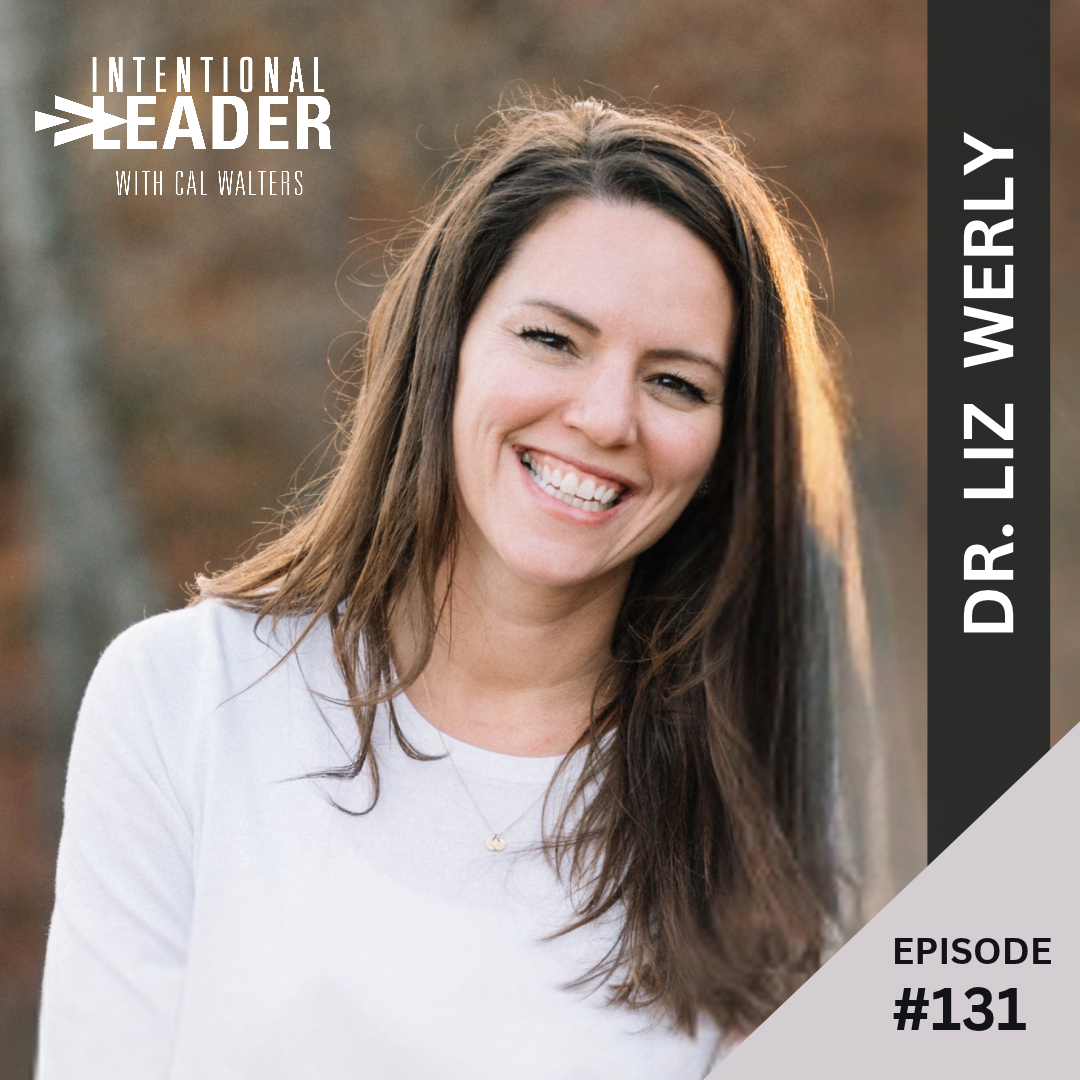
131: Dr. Liz Werly — What an Army Psychologist for Special Ops Teaches About High Performance and Emotional Intelligence

November 16, 2025 by Cal Walters

The views expressed on this podcast and page are those of the host and guests and do not necessarily reflect the official policy, position, or endorsement of the US Army, DoD, or the US Government.

Listen on Apple Podcasts Listen on Spotify

In this conversation, Army psychologist Dr. Liz Werly talks about how she helps already elite leaders go to a higher level under pressure. She explains how she uses gold-standard assessments to build accurate self-awareness, how to “engineer” personality traits to fit the context, and why emotional intelligence becomes the differentiator once IQ and talent are in place. The discussion also covers groundedness and intentionality, the basics leaders often neglect, and how generational shifts and resiliency trends are showing up at work.

Dr. Liz Werly is an operational aviation psychologist for the U.S. Army and an O2X Mental Performance and Resilience Specialist. She has a foundation in clinical psychology and has provided individual and organizational consultation for military personnel in both training and deployed environments, with a focus on performance enhancement in high-stress settings. She has been working with the military since 2015 and has deployed twice in support of combat operations. She lives in Nashville with her husband, Dan, and their son, Jack.

In this episode we cover:

  • How Liz assesses elite leaders (IQ, Big Five, and emotional measures) and turns the data into a growth plan—and why tests need interpretation, not labels
  • How to “engineer” personality so a strength in one context (calm, even robotic, under pressure) doesn’t become a liability at home or with a team
  • Why emotional intelligence becomes the edge once IQ is “good enough,” including Liz’s four pillars of EQ
  • Groundedness and intentionality as core high-performance habits, including designing an “ideal day” for this season of life
  • The basics leaders ignore at their own risk: sleep, rhythm, and connection
  • A values → beliefs → behaviors framework, including the “20-minute Lego” example, and what to do when values collide (travel, guilt, and shame)
  • Treating emotions as information rather than letting them drive decisions
  • Generational friction, resiliency, and expectations—and why those are emotional intelligence issues

Learn more about Liz: linkedin.com/in/elizabeth-h-werly-psy-d-b843b817

The Intentional Leader Lab is a small, application-based community I host for leaders who want to grow on purpose, alongside people doing the same. Inside, we meet live for Friday Lab Coffees, monthly Roundtables, and group coaching sessions. Each week there's an invitation to reflect and share, and we read books together, so we help each other actually follow through. We're growing it slowly and carefully, because the people in the room are the whole point.

If that sounds like you, apply to join the Lab.
November 16, 2025 /Cal Walters
Comment

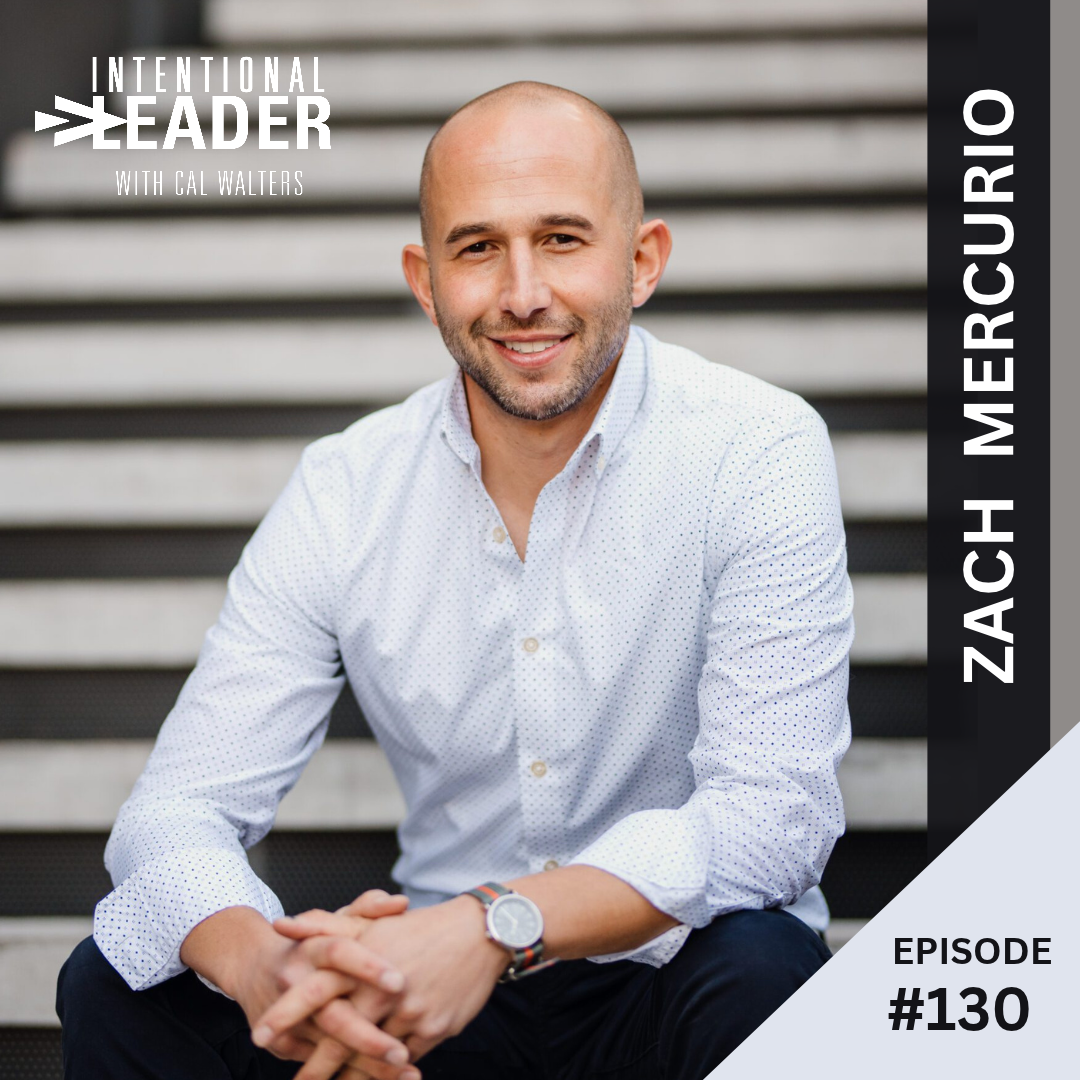
130: Dr. Zach Mercurio — The Hidden Engine of High-Performing Teams: Mattering, Trust, and Purpose-Driven Leadership

October 24, 2025 by Cal Walters

The views expressed on this podcast and page are those of the host and guests and do not necessarily reflect the official policy, position, or endorsement of the US Army, DoD, or the US Government.

Listen on Apple Podcasts Listen on Spotify

In this conversation, Dr. Zach Mercurio talks about why feeling like you matter is a basic human need—and what happens when that need goes unmet at work. He explains the difference between caring about people and caring for them, why results often follow relationships, and how small daily interactions can change how a team performs. The discussion also covers the shift from command-and-control leadership to a trust-based approach, and a simple framework leaders can use: noticing, affirming, and needing.

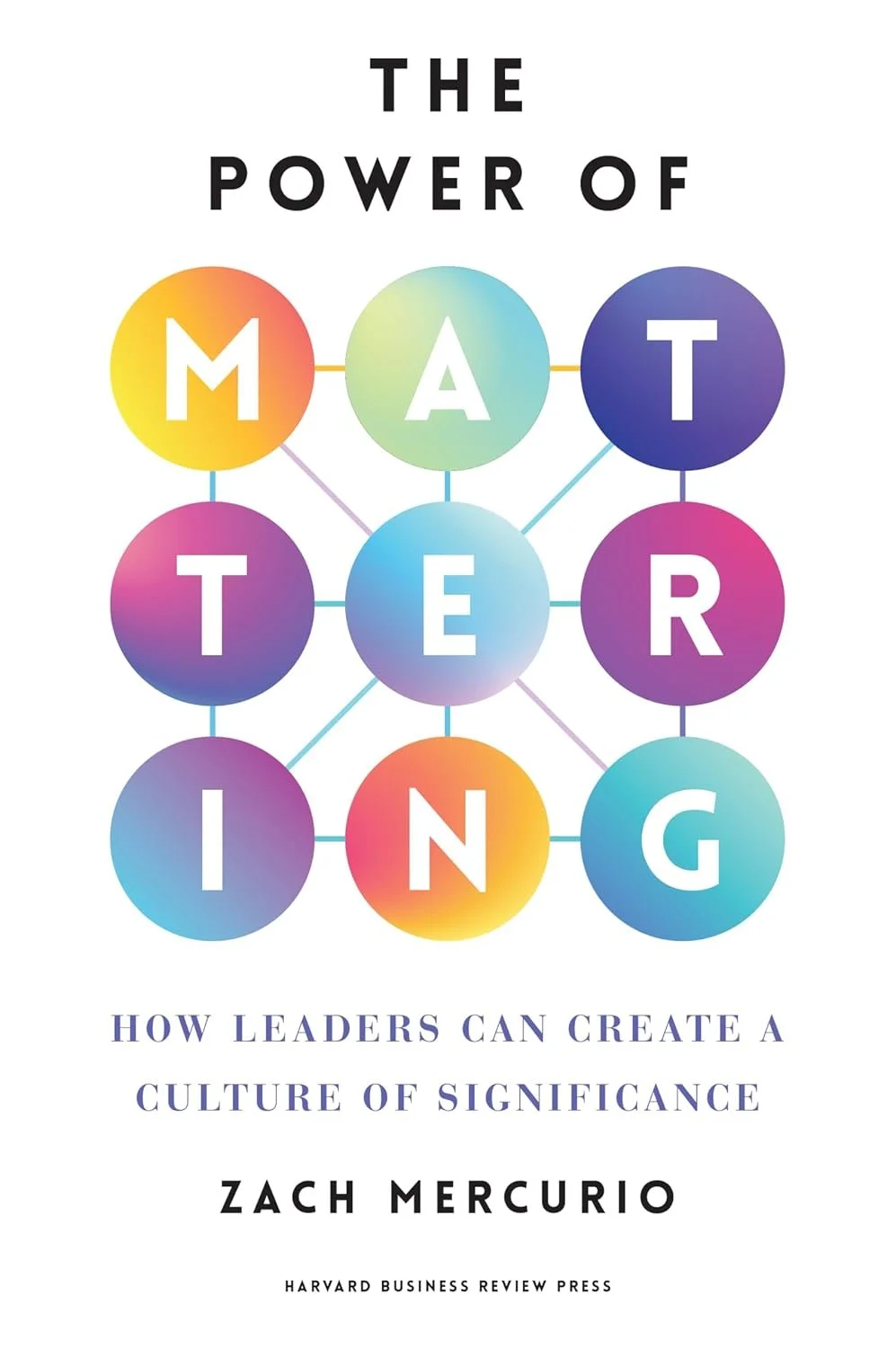
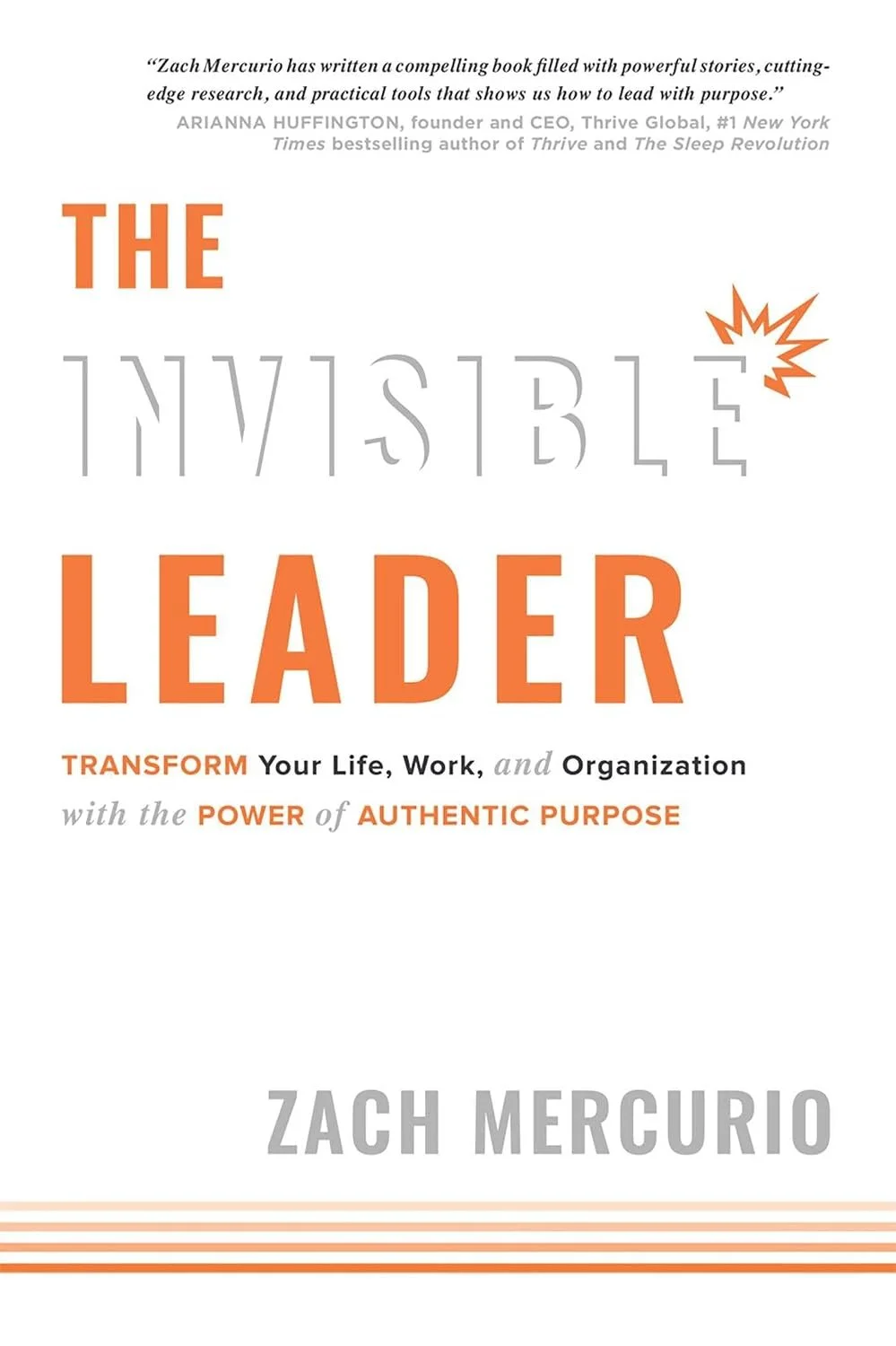
Dr. Zach Mercurio is a researcher, author, and speaker specializing in purposeful leadership, mattering, and meaningful work. He is the author of The Power of Mattering: How Leaders Can Create a Culture of Significance (Harvard Business Review Press) and The Invisible Leader: Transform Your Life, Work, and Organization with the Power of Authentic Purpose. He earned his Ph.D. in organizational learning, performance, and change from Colorado State University, advises organizations including the U.S. Army, USA Wrestling, J.P. Morgan Chase, Delta Airlines, Marriott International, and the Government of Canada, and teaches with Simon Sinek as one of his Optimist Instructors.

In this episode we cover:

  • Why the need to matter is a survival instinct, and how not mattering shows up as withdrawal, acting out, disengagement, and loneliness
  • The difference between caring about people and caring for them—and three reasons caring often stays common sense instead of common practice: transactional communication (phones, Slack, platforms), the “soft skills” bias, and systems that reward output over how results are achieved
  • Why mattering is non-directional: leaders can go first, even with their own boss, and set the norm that everyone is noticed, affirmed, and needed
  • How much of life happens at work (about a third of our waking time), and why feeling you matter at work carries into life outside of it
  • Leading versus lagging indicators: engagement, productivity, and innovation follow meaning, psychological safety, and support—not the other way around
  • How small daily interactions build trust, including Zach’s story of Tanya and a high-performing airline cleaning crew in Denver
  • Practical ways to help people feel they matter: a green/yellow/red check-in, better questions, and the noticing–affirming–needing framework (including naming people’s unique gifts and telling stories of their downstream impact)
  • Five words that help people feel needed: “If it wasn’t for you…”

Learn more about Zach: zachmercurio.com

The Power of Mattering: How Leaders Can Create a Culture of Significance
The Invisible Leader: Transform Your Life, Work, and Organization with the Power of Authentic Purpose

The Intentional Leader Lab is a small, application-based community I host for leaders who want to grow on purpose, alongside people doing the same. Inside, we meet live for Friday Lab Coffees, monthly Roundtables, and group coaching sessions. Each week there's an invitation to reflect and share, and we read books together, so we help each other actually follow through. We're growing it slowly and carefully, because the people in the room are the whole point.

If that sounds like you, apply to join the Lab.
The Intentional Leader Lab community
October 24, 2025 /Cal Walters
Comment

129: Dr. Ryan Gottfredson — The Groundbreaking Science of Personal Transformation, Mindsets, Emotional Intelligence, and Becoming Better

September 09, 2025 by Cal Walters

The views expressed on this podcast and page are those of the host and guests and do not necessarily reflect the official policy, position, or endorsement of the US Army, DoD, or the US Government.

Ryan Gottfredson, Ph.D. is a cutting-edge leadership development author, researcher, and consultant. He helps organizations vertically develop their leaders primarily through a focus on mindsets. Ryan is the Wall Street Journal and USA Today best-selling author of Success Mindsets: The Key to Unlocking Greater Success in Your Life, Work, & Leadership, The Elevated Leader: Leveling Up Your Leadership Through Vertical Development, and Becoming Better: The Groundbreaking Science of Personal Transformation.

In this episode, Dr. Gottfredson returns to discuss the concepts of trauma, vertical development, and the distinction between 'being' and 'doing' in leadership. He emphasizes the importance of self-awareness and healing one's internal operating system to achieve true personal transformation. The conversation explores how mindsets shape our experiences and the role of emotional intelligence in effective leadership. Ryan shares his personal journey of transformation and the impact of trauma on leadership effectiveness, providing insights into how leaders can grow both personally and professionally.

In his lastest book, Becoming Better, Wall Street Journal and USA Today best-selling author Ryan Gottfredson, PhD, teaches you that transformational growth requires a shift to a deeper dimension known as your Being Side—the quality of your mindsets, emotional depth, and regulatory abilities.

But few understand their Being Side, let alone how to elevate it.

Success Mindsets: Your Keys to Unlocking Greater Success in Your Life, Work, & Leadership
By Gottfredson, Ryan
The Elevated Leader: Level Up Your Leadership Through Vertical Development
By Gottfredson, Ryan
Becoming Better: The Groundbreaking Science of Personal Transformation
By Gottfredson, Ryan

The Intentional Leader Lab is a six-month mastermind for successful leaders who refuse to plateau. Through my Narrow Path™ Framework, you’ll get the tools, coaching, and community you need to keep growing as you lead your team—and your life. Only 6 spots left.

September 09, 2025 /Cal Walters

127: Dr. Travis Bradberry — Emotional Intelligence Expert Gives Practical Advice to Increase Your EQ, Increase Your Self-Awareness, and Change Your Thinking

August 25, 2025 by Cal Walters

The views expressed on this podcast and page are those of the host and guests and do not necessarily reflect the official policy, position, or endorsement of the US Army, DoD, or the US Government.

In this conversation, Cal introduces the Intentional Leader Lab, a coaching program aimed at enhancing leadership skills through emotional intelligence. Dr. Travis Bradberry an expert in emotional intelligence, discusses its significance in leadership, differentiating it from IQ, and the importance of self-awareness, self-management, and social awareness. The conversation emphasizes practical strategies for developing emotional intelligence and the impact it has on personal and professional relationships.

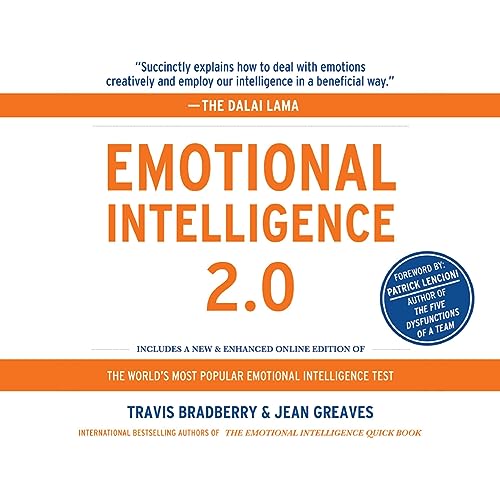
Dr. Travis Bradberry is a best-selling author and a leading expert in emotional intelligence (EQ), co-authoring the #1 bestseller Emotional Intelligence 2.0 and the book The New Emotional Intelligence. He co-founded TalentSmart, a provider of EQ assessments and training used by many Fortune 500 companies, and is currently the Chief People Scientist at LEADx. His work focuses on practical strategies and new research to help people improve their EQ, which impacts behavior, decision-making, and relationships.

Emotional Intelligence 2.0
By Travis Bradberry, Jean Greaves
Leadership 2.0
By Bradberry, Travis, Greaves, Jean
Emotional Intelligence Habits
By Bradberry, Travis
The New Emotional Intelligence
By Bradberry, Travis

The Intentional Leader Lab is a six-month mastermind for successful leaders who refuse to plateau. Through my Narrow Path™ Framework, you’ll get the tools, coaching, and community you need to keep growing as you lead your team—and your life. Only 12 spots are available.

August 25, 2025 /Cal Walters
Comment
  • Newer
  • Older